 Top rated Top rated |
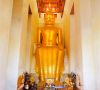
thai-buddha_02.jpg02 Thai Buddha Image2937 views02 Thai Buddha Image 
(7 votes)
|
|

karaniya.mp3Karaniya Metta Sutta21067 viewsThe Buddha's Discourse on Loving-kindness
Karaniya Metta Sutta - Discourse on Loving-kindness.
(27 votes)
|
|
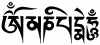
z-om.jpgOm Symbol9203 viewsTibetan Buddhist Art Work: Om Symbol
(19 votes)
|
|

know-see.pdfKnowing and Seeing4681 viewsVen. Pa-Auk Sayadaw
Talks and Questions and Answers at a meditation retreat in Taiwan by Venerable Pa-Auk Sayadaw. This book details two approaches to insight meditation, namely, tranquility and insight and bare-insight meditation. These two methods are essentially identical, starting from four-elements meditation and continuing into insight meditation. In this book the reader has an explanation of the classic instructions for both methods. The talks in this book were given by the Sayadaw (teacher), from Pa-Auk, Mawlamyine, Myanmar, while he conducted a two-month meditation retreat at Yi-Tung Temple, Sing Choo City, Taiwan.
(12 votes)
|
|
120801-LRR-32k-Prayers-Refuge_Bodhichitta-Tibetan.mp3Refuge and Bodhichitta - Tibetan2546 viewsEnglish and Tibetan chanting by Ven. Sarah Thresher
(6 votes)
|
|
only_help.pdfOnly We Can Help Ourselves4313 viewsKamma is an interesting subject because it concerns everyone and there are many different aspects of it. There are many natural laws that govern our lives but the most important is the law of kamma-vipaka. In a discourse (A.N. 6.63) the Buddha said, Intention, monks, is kamma I say. Having willed, one acts through body, speech and mind. This means that intentional action is kamma, and vipaka is the result or effects of it. The result may ripen immediately, later in this life or in a future life.
(11 votes)
|
|
Arahattamagga.pdfArahattamagga, Arahattaphala: The Path to Arahantship4786 viewsAt present, all that is left of Buddhism are the words of the Buddha. Only his teachings ñ the scriptures ñ remain. Please be aware of this. Due to the corruption caused by the defiling nature of the kilesas, true spiritual principles are no longer practiced in present-day Buddhism. As Buddhists, we constantly allow our minds to be agitated and confused, engulfed in mental defilements that assail us from every direction. They so overpower our minds that we never rise above these contaminating influences, no matter how hard we try. The vast majority of people are not even interested enough to try: They simply close their eyes and allow the onslaught to overwhelm them. They don't even attempt to put up the least amount of resistance. Since they lack the mindfulness needed to pay attention to the consequences of their thoughts, all their thinking and all they do and say are instances of the kilesas giving them a beating. They surrendered to the power of these ruinous forces such a long time ago that they now lack any motivation to restrain their wayward thoughts...
(5 votes)
|
|
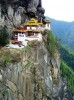
Bhutan003.jpgBhutan - Buddhist Himalayan Kingdom (12) 2826 viewsIn 2005 the Australian monk Ven S Dhammika was invited to the remote Himalayan kingdom of Bhutan and spent ten days visiting the countries monasteries, shrines and temples. We present some of the pictures he took while in this rarely visited land and hope you enjoy them.
(5 votes)
|
|
Footprints_of_the_Buddha.pdfFootprints of the Buddha5183 viewsPligrimage to Buddhist India. This booklet was written for you so you can understand the significance of the most sacred Buddhist places in India. It is in these places that the Buddha dwell and left his footprints 2600 years ago. Thousands of devoted and wise persons in the world have venerated these sacred and holy places by touching the earth with their foreheads, on which the Buddha has trodden.
(5 votes)
|
|
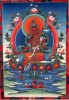
11_tara.jpgThe 21 Taras (11)2465 viewsThe 21 Taras [Tibetan style] (Tibetan, Sgrol-ma)
It was not until the adoption of the Yogachara system, taught by Asanga in the fourth century AD, that the feminine principle began to be venerated in Mahayana Buddhism. Around the sixth century, the goddess Tara was considered as a Sakti of Avalokitesvara (sometimes as his wife).
(5 votes)
|
|
| 985 files on 99 page(s) |
 |
|
|
27 | |
|
|
|






















 Social Bookmarks


